YOUR BACKLOG IS GROWING
Start With 100 Free Credits.
No Procurement Required.
Section 508 of the Rehabilitation Act requires WCAG 2.1 accessibility across federal agencies — and increasingly across state and municipal entities receiving federal funds. While timelines may shift, document backlogs continue to grow.
Watch video
ACCESSIBILITY IS AN ENTERPRISE STANDARD
What This Means For CIOs Right Now
For CIOs, this creates direct accountability across:
- Governance accountability
- Procurement compliance
- Litigation risk exposure
- Enterprise-wide workflow modernization
The deadline may have shifted — but document volume continues to grow across your organization.
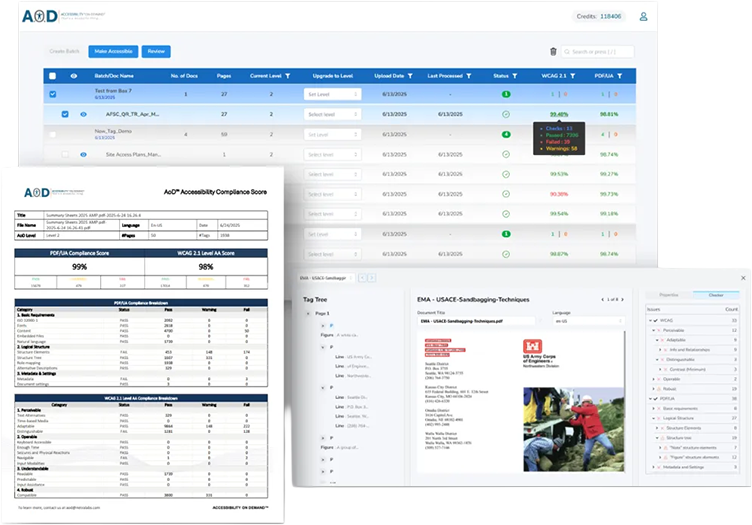
In partnership with archSCAN and Accessibility on Demand (AoD), we provide a scalable, AI-powered remediation platform designed for public-sector IT environments to achieve WCAG 2.1 standard compliance — without hiring consultants or overloading existing staff.
WHY THIS MATTERS NOW
Litigation Risk + Federal Funding Exposure Are Increasing
- Digital accessibility lawsuits continue to rise annually
- Courts increasingly treat inaccessible PDFs as ADA violations
- OCR investigations now examine digital document workflows
CIOs are expected to demonstrate active monitoring, not reactive remediation.

THE SCALE OF THE PROBLEM
The Real Enterprise Problem
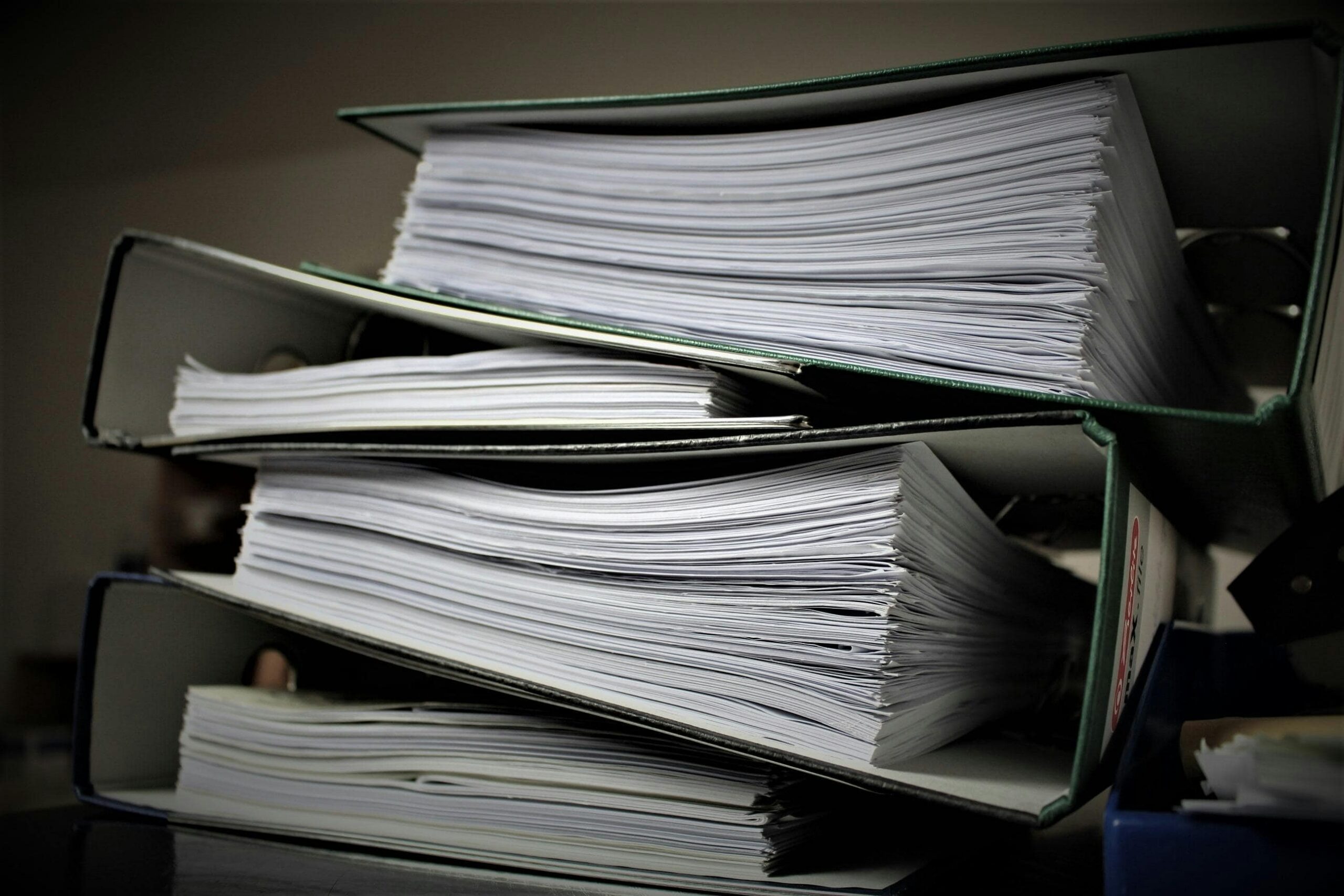
Most state and municipal IT environments include:
- Tens of thousands of legacy PDFs
- Decentralized document publishing
- No centralized accessibility governance
- Vendor systems with inconsistent tagging
- Manual remediation costs of $5–$25 per page
This creates ongoing audit exposure and escalating remediation costs.
THE SOLUTION
A Governance-First Solution
Rapidly assess enterprise document exposure
Reduce remediation costs by 70–95%
Generate defensible compliance reports
Standardize accessibility workflows across departments
Demonstrate “good faith” remediation efforts
HOW TO GET STARTED
Get Started in Minutes With
Real Documents and Real Results
COMMON QUESTIONS
What CIOs Ask Before Getting Started
Does Section 508 & WCAG 2.1 apply to our agency if we receive federal funding?
Yes. While Section 508 directly governs federal agencies, state and municipal entities that receive federal financial assistance are subject to Section 504 of the Rehabilitation Act and Title II of the ADA — both of which require accessible digital content including PDFs. If your agency receives federal funds in any form, 508 compliance to WCAG 2.1 standards are effectively your benchmark.
What's the difference between scanning for issues and actually remediating them?
Scanning identifies accessibility failures — missing tags, improper reading order, untagged images. Remediation fixes them. Many tools stop at scanning and leave the repair work to your team. The 508 City platform, powered by archSCAN and AoD, does both: automated AI-driven remediation followed by human QA validation, producing a document that is both fixed and audit-defensible.
How do we demonstrate good faith compliance efforts to auditors or oversight bodies?
Good faith is demonstrated through documentation — a clear record showing your agency identified the problem, took active steps to remediate, and has a plan to address remaining backlog. The platform generates compliance validation reports for every document processed, giving your office defensible evidence of remediation activity that can be produced in response to an OCR investigation or audit request.
Can we test this without going through a procurement cycle?
Yes — that is exactly what the 100 free credits are designed for. You can upload real agency documents, run remediation, and review compliance reports without initiating a procurement process, signing a contract, or integrating with any existing system. The free credit evaluation is structured specifically so CIO offices can validate the platform’s output and build an internal business case before any formal procurement decision.
For a deeper briefing on litigation risk, governance frameworks, and enterprise remediation strategy, download the Executive 508 Guide.